MAPLE BOARDS
Birdseye maple cutting board: What to know before you buy
A birdseye maple cutting board pairs hard maple with natural figure. Learn what to check, how it performs, and how to care for it.
The short answer
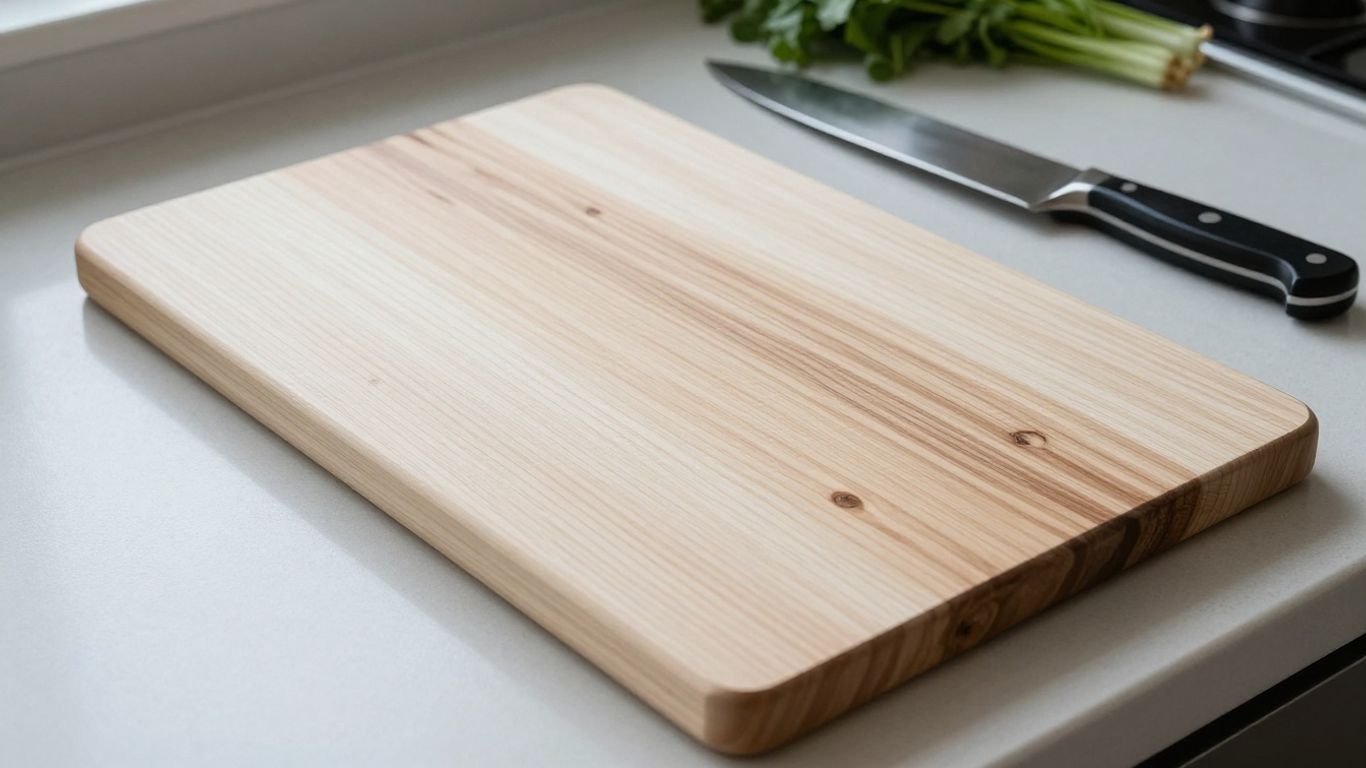
Birdseye figure is found mostly in sugar (hard) maple, so a birdseye maple cutting board usually gives you hard maple’s familiar working surface with a distinctive, naturally varied figure. Check the listed species to be sure. Choose it for a useful board with character, but judge construction and condition separately from the pattern.
- Birdseye is a figure in maple, not a separate species.
- The pattern varies from board to board and may not be symmetrical.
- Grain orientation and glue joints matter alongside the wood’s appearance.
- Hand wash, towel-dry right away and stand it on edge, and condition periodically with food-grade mineral oil.
- Consider whether you want to cut on the board regularly or keep it mostly for display.
What makes birdseye maple distinctive?
A birdseye maple cutting board is made from maple with small, rounded markings that look like eyes. The figure gives a pale wood surface a little visual movement without changing the board into a different species or construction type. The trade-off is that the pattern is naturally unpredictable, so a photo or sample may not match the board you receive.
The small, rounded marks that create the “eyes”
The “eyes” are small, rounded areas in the wood’s figure, often surrounded by a subtle swirl in the grain. They are not painted on or added as separate pieces. Depending on the board, they may appear close together, widely spaced, or concentrated in one area. That unevenness is part of the appeal, though it means you should not expect a repeated, machine-like pattern.
Why the figure is a natural pattern, not a separate maple species
Birdseye describes a figure in maple rather than a distinct botanical species. The wood is still identified by its maple species and grade; the eyes are a feature of how the grain appears. If you are checking a listing, look for the actual species as well as the word “birdseye.” For a cutting surface, the distinction between hard and soft maple matters more to performance than the decorative figure does. This hard maple and soft maple comparison explains why species identification is worth checking.
How each board can vary in color, pattern, and symmetry
A birdseye board can range from a quiet sprinkling of marks to a dense, dramatic pattern. Color also shifts naturally across maple, from creamy white to a light, warm tone. One side may have more visible eyes than the other, and the figure may run unevenly across joined sections. A maker’s overview of birdseye maple boards offers a useful look at how natural variation can appear across finished pieces.
How does birdseye maple perform in the kitchen?
The figure does not prevent a board from being used for everyday prep. What matters is the maple species, the board’s build, and how you care for it. Hard maple is a practical choice for regular chopping, but even a well-made board will show use over time.
What hard maple brings to everyday food prep
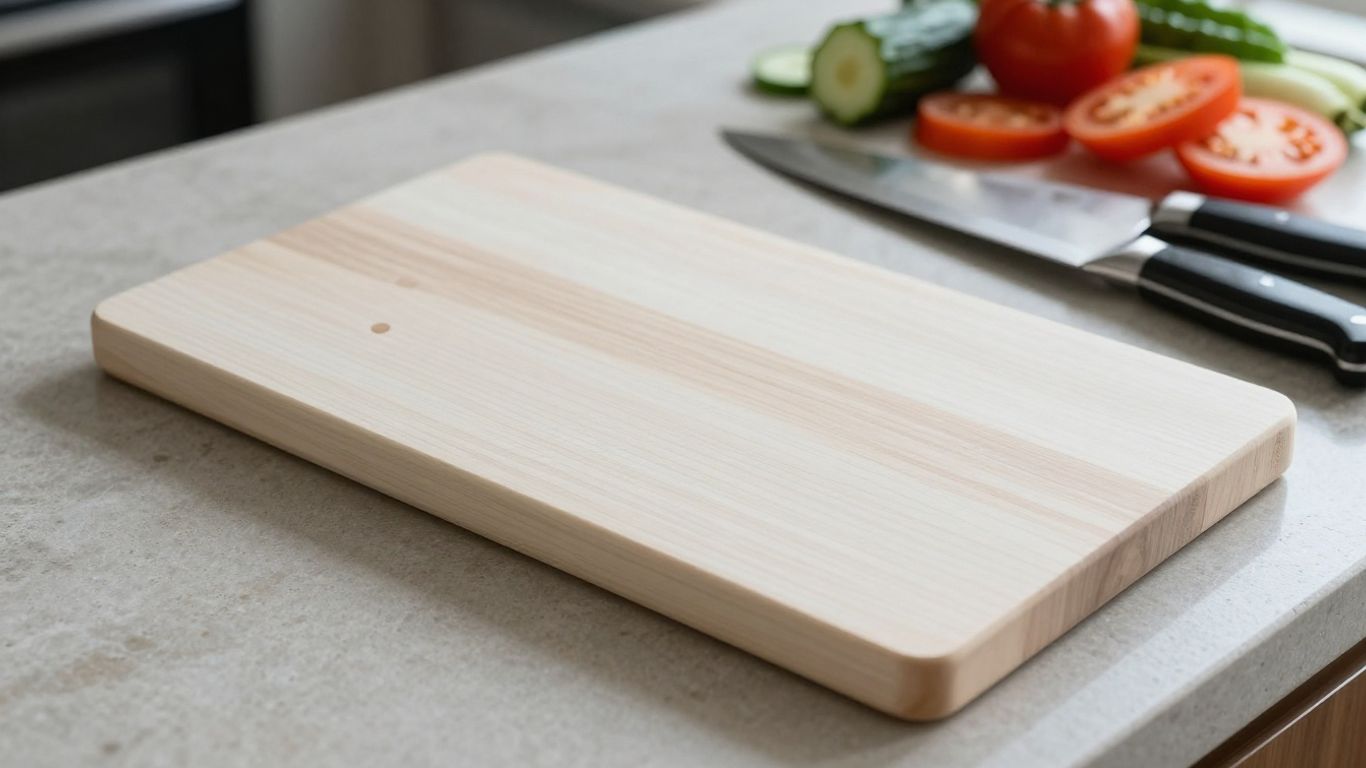
Hard maple is a dense hardwood with a close grain, and it has a long history as a cutting-board wood. It gives you a firm surface for chopping vegetables, slicing fruit, or breaking down herbs. The board’s weight and dimensions also affect how comfortable it is to work on, so a lovely piece that is too small for your usual prep can become a countertop ornament by default. For a specific reference, the Bevel & Bond End-Grain Maple Cutting Board is made from US-grown hard maple and measures 17 by 13 inches.
How the surface holds up to knife marks and repeated use
Knife marks are normal on a wooden board, and they will gradually change its surface. Hard maple offers a durable working surface, but no wood stays pristine under repeated cutting. A board’s finish may also look different as it picks up a patina. Keep the surface clean and dry between uses, and you will be able to see when it needs conditioning or a light refresh.
Why the figure alone does not determine a board’s durability
Birdseye figure is an appearance feature, not a durability rating. A board with striking eyes can be poorly assembled, while a plainer board can be well made. Check the species, the way the pieces are joined, the board’s thickness, and whether it sits steadily on your counter. Construction matters more than figure once the board is in regular kitchen use.
How does construction affect the board?
Construction determines which part of the wood grain faces upward and how the board feels under a knife. Birdseye figure can be visible in either an edge-grain or end-grain layout, but the layout and the quality of the joinery still deserve a close look. Neither style is automatically the better choice for every cook.
Edge-grain and end-grain layouts at a glance
In an edge-grain board, long strips are joined with the sides of the grain facing upward. In an end-grain board, the cut ends of the wood face upward, often creating a block pattern. These layouts have different appearances and practical trade-offs, so it helps to compare the basics before choosing.
| Layout | What you see on top | Practical consideration |
|---|---|---|
| Edge-grain | Long, parallel strips | A clear linear pattern and a straightforward surface |
| End-grain | Short grain ends, often in blocks | A visibly block-like layout and a different knife feel |
| Either layout | Birdseye marks may be visible | Figure does not tell you how well the board is assembled |
The Bevel & Bond End-Grain Maple Cutting Board is an example of an end-grain board; its documented dimensions are 17 by 13 by 1.75 inches. The layout is one useful point of comparison, not a shortcut for deciding whether any particular board is well built.
How the grain pattern changes with board orientation
The same wood can look different when cut and arranged in another orientation. Edge grain tends to show longer lines, while end grain presents the ends of fibers as a field of small shapes. Birdseye markings may look sharper or more scattered depending on the cut and the light. If you are buying from a photograph, ask for views of both sides when the pattern’s placement matters to you.
What to look for in glue joints and overall stability
On a multi-piece board, inspect the seams for tight, even glue joints without visible gaps. Set the board on a flat surface and check that it does not rock. A steady board is safer and less irritating to use, especially during repetitive chopping. Grain direction and thickness can influence how a board responds to changes in moisture, so good care still matters even when the joinery looks clean.
What should you check before choosing a board?
Start with how you cook, not with the most dramatic patch of figure in a product photo. A board should have enough room for the food you usually prep and fit your sink and storage space. Then look at the species, thickness, finish, and workmanship; birdseye adds visual appeal, but it does not replace those checks.
Size and thickness for your usual prep tasks
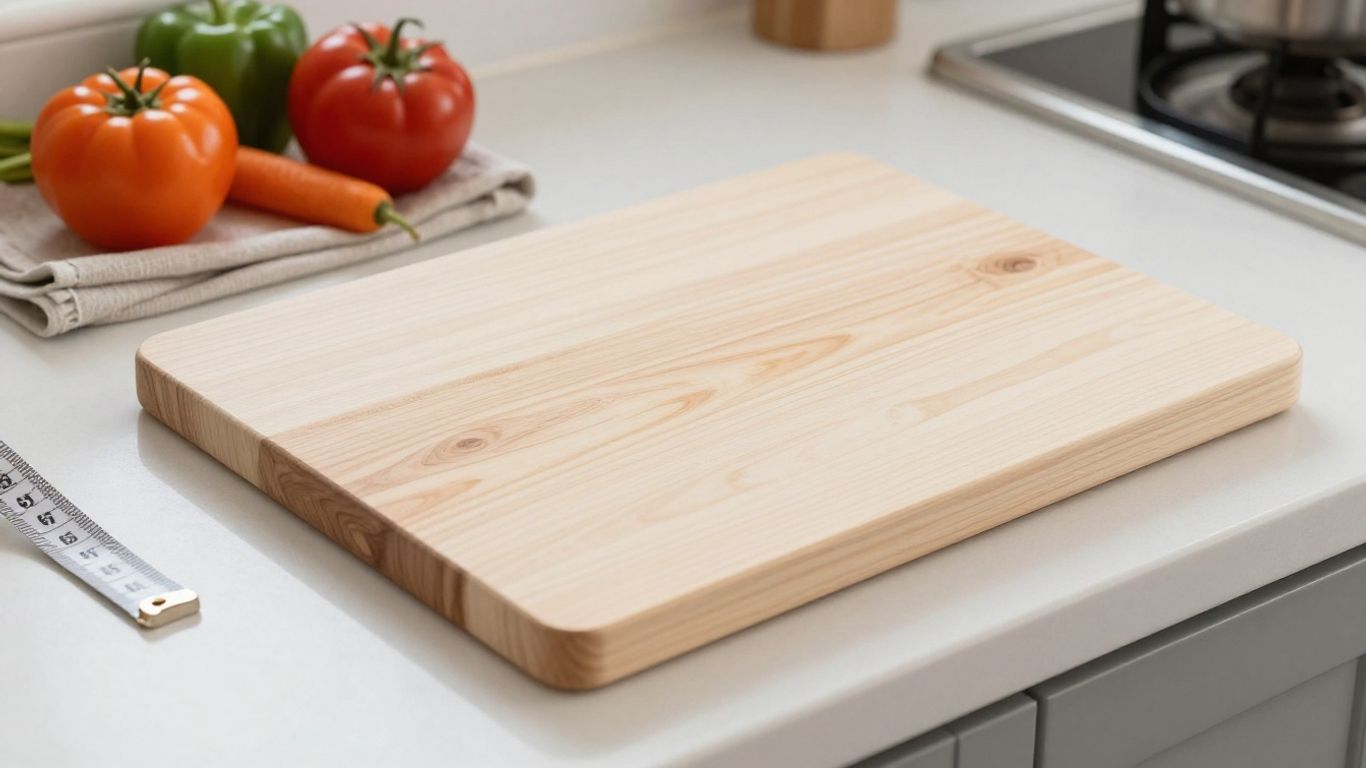
Measure the counter space where you plan to work and consider how much room you need for both cutting and gathering ingredients. A small board suits quick tasks, while a larger one gives you more room for several ingredients at once. Thickness also affects weight and handling. The Bevel & Bond End-Grain Maple Cutting Board, at 17 by 13 by 1.75 inches, includes a juice groove, side handles, and non-slip feet. Those are product-specific features, not things to assume every birdseye board has.
A compact set of checks can help you decide whether the size is practical:
- Measure the open counter space you actually use.
- Check that the board can fit in your sink for hand washing.
- Consider whether its weight will be comfortable to lift and store.
- Make sure the cutting area leaves room for ingredients and scraps.
If you want more help estimating dimensions, this maple cutting board size guide walks through the fit question in practical terms. A board that fits your routine is more useful than one chosen only for its proportions in a photo.
Figure placement and color consistency
Look at the whole surface rather than judging the board by a close crop of its most striking eyes. Consider whether you prefer an even scatter or a concentrated patch, and whether the tone looks consistent across the joined pieces. Natural wood varies, so an exact match to a listing image is unlikely. If the board will also be used for serving, decide whether you want the visible side to have a particular arrangement.
How craftsmanship and figured wood can affect the price
A pronounced figure can make a piece of maple more visually distinctive, and careful selection and joinery take work. That can affect price, but a higher price alone does not prove that a board is better made. Examine the surface, seams, flatness, dimensions, and finish, and compare like with like. This maple board quality checklist covers the practical details to inspect before buying.
How do you care for birdseye maple?
Care for a birdseye maple board as you would a wooden cutting board made from hard maple. Wash it by hand after use, dry it promptly, and apply food-grade mineral oil when the wood looks dry. A little routine care is easier than trying to rescue a board that has been left wet for too long.
Cleaning and drying after each use
Wash both sides with mild soap and warm water, then wipe away moisture and stand the board upright to dry with air around it. Do not leave food or water sitting on the surface. Drying both sides helps the board experience moisture more evenly. For a fuller routine, see this guide to maple board care.
When and how to apply food-grade mineral oil
Apply food-grade mineral oil when the wood looks dry or feels rough, often about once a month for a board in regular use. Spread a thin coat over the clean, dry surface, let it absorb, then wipe away any excess. The exact interval depends on how often you use and wash the board. A board that looks comfortably conditioned does not need an extra coat just because the calendar says so.
What to avoid, including soaking and the dishwasher
Do not soak a wooden board or put it in the dishwasher. Avoid leaving it beside a sink where one edge stays damp, and do not use olive or vegetable oil as a finish. Those oils can become rancid. If the board needs more than routine cleaning, follow a wood-board care method rather than reaching for abrasive household cleaners.
Is a birdseye maple board right for you?
Choose birdseye maple if you want a usable hard-maple board with more visual character than a plain surface. Its main trade-off is that the distinctive figure can cost more and may make you hesitate before putting a knife to it. Think about whether you want a daily tool, a serving piece, or a board that can do both.
When it makes sense as an everyday cutting surface
A birdseye board can work well for everyday prep when it is made from suitable maple, assembled soundly, and sized for your kitchen. If you appreciate how the figure changes with use, ordinary knife marks need not spoil the experience. Keep the board clean, dry, and conditioned, and treat it as a working surface rather than a piece that must remain untouched.
When a display-focused board may be a better fit
If you love the pattern but would rather preserve a pristine face, use the board mainly for serving or display. Another option is to reserve one side for light prep and keep the other for presentation, if the board’s construction allows it. Avoid choosing a board you are afraid to use unless display is genuinely the goal. A cutting board should not require a ceremony before you slice a tomato.
How it compares with a plain maple board for looks and value
Plain maple usually has a more uniform appearance, while birdseye offers a naturally varied pattern. Both can be made from hard maple, and the figure alone does not tell you which board is stronger or better assembled. If appearance is your priority, birdseye may justify paying more to you; if you mainly want a dependable prep surface, compare species, dimensions, and construction first.
Choosing a birdseye maple cutting board
A birdseye maple cutting board pairs a practical maple surface with a figure that makes each piece distinct. Choose by checking the wood, layout, joinery, size, and finish, then care for it with ordinary hand washing, thorough drying, and periodic mineral oil. The best choice is the one you are happy to use, not merely admire.
Best for
- Everyday prep with some character: a sound hard-maple birdseye board you are happy to mark with a knife.
- Serving or display: a board kept mostly for presentation, or one with a side reserved for light prep if its construction allows.
- Buyers focused on value: plain maple. Compare species, size, and construction before paying for figure.
Frequently Asked Questions
Is birdseye maple a different species of maple?
No. Birdseye refers to a natural figure in maple wood, not a separate maple species. Check the listed species if you want to know whether the board is hard maple.
Is birdseye maple suitable for cutting?
It can be, provided the board is made and finished appropriately for food preparation. Its figure is decorative; construction, wood species, and care are the more useful factors to assess.
Will a birdseye maple board show knife marks?
Yes. Knife marks are a normal result of using a wooden board, including one made from hard maple. They become part of the surface’s appearance over time.
Is end grain better than edge grain?
Not automatically. The layouts differ in appearance and feel, and either can be a sound choice when well made. Consider your preferred surface, construction quality, and budget.
How often should I oil a maple cutting board?
A common starting point is about once a month, especially with regular use. Apply food-grade mineral oil when the wood looks dry, and adjust the interval to the board’s condition.
Can I put a maple cutting board in the dishwasher?
No. Hand wash it with mild soap and warm water, then towel-dry it right away and stand it on edge. Do not soak it or leave it wet for an extended period.
Does birdseye figure guarantee a higher-quality board?
No. Figure describes the wood’s appearance, not the quality of the joinery or finish. Inspect the board’s seams, flatness, dimensions, and stated wood species before choosing.
What should you do next?
- Decide if you want a daily tool, a serving piece, or both.
- Ask for the species, then check the layout, joinery, and finish.
- Compare other figured maples, such as curly maple and quilted maple.
- Plan care: hand-wash, towel-dry right away and stand it on edge, and oil periodically with food-grade mineral oil.
How this guide was put together
The Maple Board Guide team writes and fact-checks every guide on Maple Board Guide. Comparisons are based on maker specifications, published standards and food-safety guidance from sources such as the USDA, and each guide is reviewed and updated when specs or prices change. More about us.